
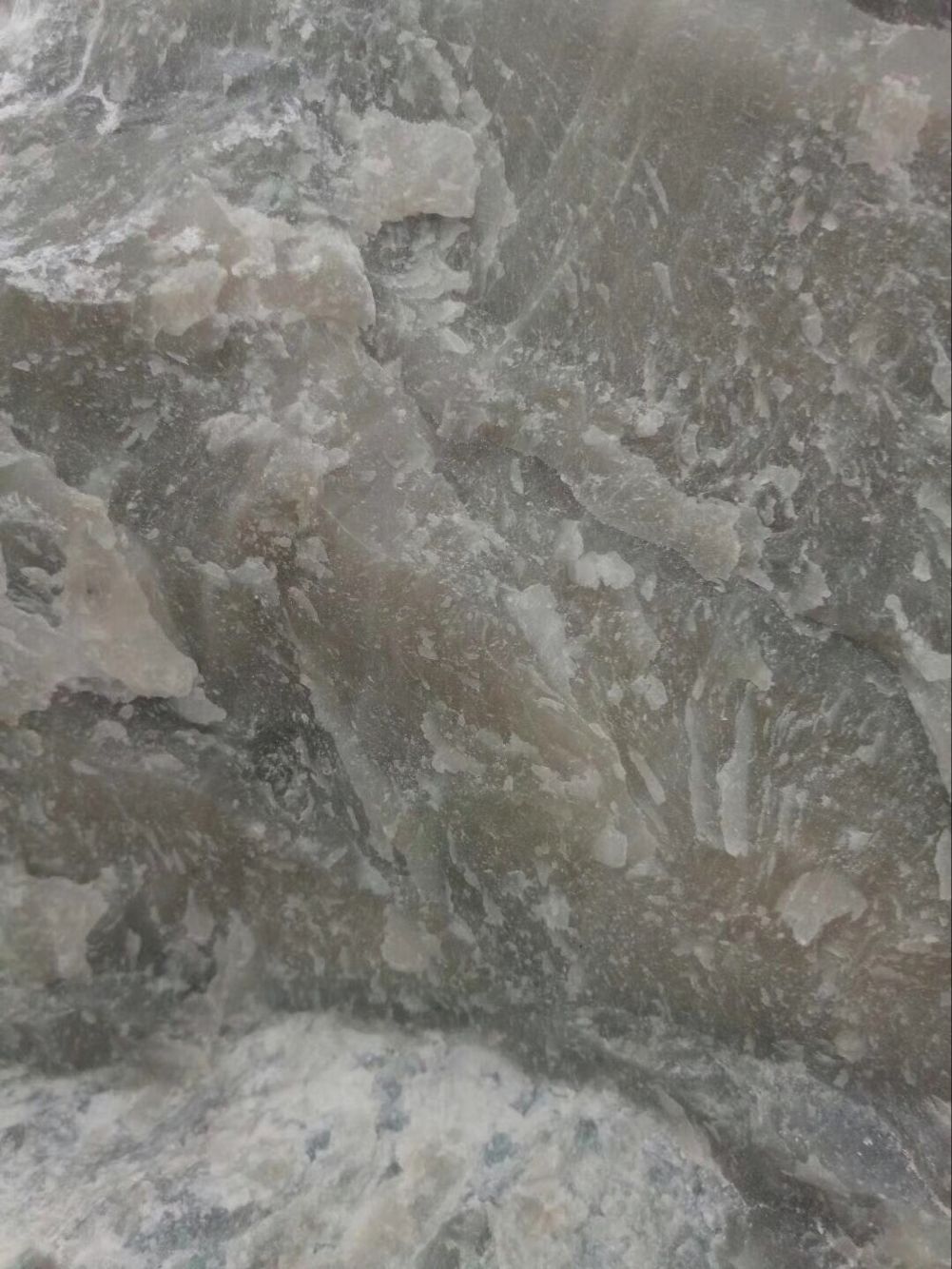
Magnesium Hydroxide
Starwin Brucite - Natural Magnesium Hydroxide (Brucite)
Starwin Brucite (C.I. 77712, CAS 1309-42-8) natural magnesium hydroxide for flame retardant plastics, rubber, cable insulation and eco-friendly industrial applications. Heat stability 330°C, low smoke toxicity.
Key Information
Technical Specifications
Product Overview
Natural Magnesium Hydroxide – Brucite is a naturally occurring mineral form of magnesium hydroxide with the chemical formula Mg(OH)₂. Unlike synthetic magnesium hydroxide produced through precipitation from seawater or brine, Starwin Brucite is derived from high-grade natural brucite ore through selective mining, beneficiation, and precision grinding. This natural origin delivers a lower carbon footprint and cost-effective performance for demanding industrial applications.
Starwin Brucite is the commercial-grade natural magnesium hydroxide supplied by Hangzhou Starwin Tech Co., Ltd. It is produced from our own brucite mine in Dandong, Liaoning Province, China, giving us full control over ore selection, grinding, surface treatment, and quality testing. With more than 20 years of experience in natural magnesium hydroxide and brucite production, we deliver consistent particle size distribution, high whiteness, stable supply, and reliable flame-retardant performance for polymers, cables, construction materials, and environmental applications.
Key Identification
| Property | Value |
| Product Name (EN) | Brucite, Natural Magnesium Hydroxide |
| Commercial Name | Starwin Brucite |
| Chemical Name | Magnesium Hydroxide |
| Mineral Name | Brucite |
| CAS No. | 1317-43-7 |
| EC No. | 215-274-9 |
| Molecular Formula | Mg(OH)₂ |
| Molecular Weight | 58.32 g/mol |
| Chemical Class | Hydroxides, Magnesium Compounds |
| Appearance | White to off-white powder |
| Crystal System | Hexagonal (trigonal) |
| Mohs Hardness | 2.5 |
Synonyms and Trade Names: Brucite, Natural Magnesium Hydroxide, Magnesium Hydrate, Nemalite, Brucita, Brucit
Technical Specifications
The following data represents typical performance properties of Starwin Brucite. Actual values may vary by grade and batch – please refer to the Certificate of Analysis (COA) for each shipment.
| Parameter | Specification |
| Mg(OH)₂ Content | ≥ 84% (up to 95% for high-grade ore) |
| MgO Content | 58–65% |
| CaO | ≤ 2.5% |
| SiO₂ | ≤ 3.0% |
| Fe₂O₃ | ≤ 0.5% |
| Al₂O₃ | ≤ 0.3% |
| Loss on Ignition (LOI) | 28–33% |
| Moisture | ≤ 0.5% |
| pH (10% suspension) | 8.3–10.4 |
| Density | 2.38–2.95 g/cm³ |
| Mohs Hardness | 2.5 |
| Decomposition Temperature | ~ 300–350°C |
| Whiteness (ISO Brightness) | ≥ 89 (up to 93 for ultrafine grades) |
| d₅₀ (Median Particle Size) | 1.5–6.2 μm (depending on grade) |
| Specific Surface Area | 5–20 m²/g |
| Water Solubility | 1.78 mg/L at 20°C |
| Electrical Conductivity | 100–500 μS/cm (aqueous extract) |
| Key Applications | Flame retardant, smoke suppressant, polymer filler, environmental remediation |
| Packaging | 25kg/bag, 50 lb paper bags, or bulk super sacks with inner PE liner |
| Storage | Cool, dry, ventilated area, away from direct sunlight |
| HS Code | 28161000 |
How to interpret these specifications:
Mg(OH)₂ Content (≥ 84%): High-grade natural brucite ore can exceed 95% Mg(OH)₂ content, eliminating the need for complex chemical synthesis and ensuring product purity from the source. The theoretical Mg(OH)₂ content of pure brucite is 69.12% MgO and 30.88% H₂O.
Decomposition Temperature (~ 300–350°C): This is the critical flame-retardant mechanism. Starting at approximately 300°C, brucite decomposes endothermically, releasing water vapor and absorbing heat. This reaction dilutes flammable gases and cools the substrate, forming the basis of its fire-retardant and smoke-suppression properties.
Whiteness (ISO Brightness ≥ 89): Ground natural brucite typically achieves an ISO brightness of at least 89, with ultrafine grades reaching 93 or higher. This makes it suitable for applications where color and appearance matter.
Particle Size (d₅₀ 1.5–15 μm): Starwin Brucite is available in multiple grades with controlled particle size distributions. Finer grades (d₅₀ ≤ 2.5 μm) are preferred for polymer compounding where mechanical properties are critical. Coarse filler particles can serve as sites for crack generation and reduce impact strength.
Our Own Brucite Mine in Dandong, China
Hangzhou Starwin Tech Co., Ltd. owns and operates a brucite mine in Dandong, Liaoning Province, China – a region well known for high-quality natural brucite deposits. This vertical integration allows us to control the entire production chain, from ore extraction and sorting to crushing, grinding, surface treatment, and final quality inspection.
Key advantages of our Dandong brucite source:
- Own Mine & Direct Ore Access: We extract high-grade brucite ore directly from our own mine, ensuring stable supply and full traceability.
- High Purity: Our natural brucite ore can reach Mg(OH)₂ content up to 95%, suitable for demanding halogen-free flame-retardant applications.
- Consistent Quality: Controlled mining and processing deliver stable whiteness, particle size distribution, and chemical composition batch after batch.
- Cost Efficiency: Direct access to raw ore reduces intermediate costs, allowing us to offer competitive pricing without compromising quality.
- Lower Carbon Footprint: Natural brucite requires less energy than synthetic magnesium hydroxide produced by precipitation, supporting more sustainable material choices.
- Reliable Export Supply: With over 20 years of industry experience, we serve customers across Asia, Europe, and the Americas with dependable export logistics.
Dandong, China has become a recognized source of natural brucite for flame retardants, polymer fillers, environmental neutralization, and magnesium-based materials. By owning the mine and controlling processing, Starwin ensures that every shipment meets consistent technical specifications.
Natural vs. Synthetic Magnesium Hydroxide
| Property | Starwin Brucite (Natural) | Synthetic Mg(OH)₂ |
| Source | Natural brucite ore | Precipitation from seawater/brine |
| Mg(OH)₂ Purity | 84–95% | 98–99.8% |
| Whiteness | ≥ 89 ISO | Higher, pure white |
| Particle Size Control | Good, via grinding | Excellent, via precipitation |
| Cost | Lower | Higher |
| Carbon Footprint | Lower | Higher (synthesis energy) |
| Flame Retardancy | Good | Excellent |
| Primary Use | Cost-sensitive HFFR compounds | High-performance HFFR systems |
Important note: Natural brucite is a cost-effective alternative to synthetic magnesium hydroxide for halogen-free flame-retardant (HFFR) applications. While synthetic grades offer higher purity and finer particle size control, natural brucite delivers comparable flame-retardant performance at a lower cost point, making it attractive for large-volume applications in cables, construction, and rubber products. Natural brucite recovered from reject brine using CaO produces 28.8–37.1% less CO₂ equivalent emissions compared to commercial MgO produced via the calcination of magnesite.
Key Applications
1. Halogen-Free Flame Retardant (HFFR) Compounds
This is the primary application for Starwin Brucite. Magnesium hydroxide functions as a halogen-free flame retardant and smoke suppressant in polymers including:
- Thermoplastics: PP, PE, EVA, PA
- Rubber compounds: EPDM, silicone rubber
- Cable compounds: Low-smoke zero-halogen (LSZH) cable insulation and jacketting
- Construction materials: Flame-retardant panels, coatings
When filled at 40% or higher, brucite composites can achieve flame-retardant performance. At 60% loading, they can meet non-flammable plastic standards. The endothermic decomposition releases water vapor, diluting combustible gases and suppressing smoke.
2. Environmental Remediation
Magnesium hydroxide is widely used for wastewater neutralization and heavy metal removal. It offers advantages over caustic soda and lime, including gentler pH control, easier handling, and reduced sludge volume. Brucite-based products are also used for flue gas desulfurization and soil remediation.
3. Construction & Refractory Materials
Used as a refractory material and as a source of magnesium metal and magnesia. Brucite's high MgO content makes it a valuable raw material for magnesium-bearing inorganic products, including light magnesium oxide and light magnesium carbonate.
4. Paper & Pulp Industry
Used as a filler and coating pigment in specialty paper applications. Its high whiteness and platy particle structure contribute to opacity and printability.
5. Fertilizer & Agriculture
Brucite is used as a magnesium fertilizer and soil amendment, providing a slow-release source of magnesium for crops. It is also used in animal feed supplements.
6. Other Industrial Uses
- Steel industry: Slag conditioner and additive
- Pharmaceuticals: Magnesium source (when processed to appropriate purity)
- Nuclear industry: Neutron shielding applications
Surface Treatment Options
Starwin Brucite can be supplied uncoated or surface-treated to enhance compatibility with specific polymer matrices. Common treatment agents include:
- Fatty acids: Stearic acid, oleic acid, palmitic acid, lauric acid, isostearic acid
- Metal soaps: Magnesium stearate, magnesium oleate, zinc stearate
- Coupling agents: Silanes (vinyltriethoxysilane, aminosilane), titanates
- Phosphorus-based: Phosphoric acid esters, alkylphosphonic acids
Surface treatment improves:
- Compatibility with the polymer matrix
- Mechanical properties (tensile, flexural, impact strength)
- Moisture resistance
- Reduced viscosity and electrical conductivity
- Resistance to scratch whitening
Packaging & Storage
Packaging: 25kg/bag, 50 lb paper bags, or bulk super sacks with inner PE liner. Custom packaging available upon request.
Storage: Store in a cool, dry, ventilated area away from direct sunlight. Keep container tightly closed when not in use. Shelf life is approximately 5 years under proper storage conditions.
Frequently Asked Questions (FAQ)
What is the difference between brucite and synthetic magnesium hydroxide?
Brucite is the naturally occurring mineral form of magnesium hydroxide, mined and ground from ore deposits. Synthetic magnesium hydroxide is chemically precipitated from seawater or brine. Natural brucite is generally lower in cost and has a lower carbon footprint, while synthetic grades offer higher purity and tighter particle size control. For many HFFR applications, natural brucite provides comparable performance at a more attractive cost point.
How does brucite work as a flame retardant?
Brucite decomposes endothermically starting at approximately 300–350°C, according to the reaction: Mg(OH)₂ → MgO + H₂O (endothermic). This process: absorbs heat from the combustion zone, releases water vapor, diluting flammable gases and oxygen, and forms a protective MgO layer on the polymer surface, insulating the underlying material. Unlike halogenated flame retardants, brucite produces no toxic or corrosive gases during combustion, making it an environmentally preferred choice.
Is brucite suitable for cable compounds?
Yes. Brucite is a key component in low-smoke zero-halogen (LSZH) cable compounds. Its halogen-free nature and smoke-suppression properties make it ideal for cable insulation and jacketing in public buildings, tunnels, and other applications where fire safety and low toxicity are critical.
What is the difference between brucite and aluminum hydroxide (ATH)?
Both are halogen-free flame retardants that work by endothermic decomposition. The key differences: brucite has a higher decomposition temperature (~300–350°C vs ~180–220°C for ATH), allowing it to be used in polymers processed at higher temperatures, such as polypropylene and polyamide. Brucite also offers excellent smoke suppression and lower cost (natural source).
Can brucite be used in transparent applications?
Natural brucite typically has an off-white to white color with ISO brightness of 89–93. For fully transparent applications, surface-treated grades with optimized refractive index matching may be required. Contact our technical team for specific recommendations.
Where is Starwin Brucite mined?
Starwin Brucite is mined from our own brucite mine in Dandong, Liaoning Province, China. This region is known for high-quality natural brucite deposits. Because we own and operate the mine, we control ore quality from the source.
Do you own the brucite mine?
Yes. Hangzhou Starwin Tech Co., Ltd. owns a brucite mine in Dandong, China. This vertical integration allows us to ensure consistent quality, reliable supply, and competitive pricing for natural magnesium hydroxide products.
How long have you been producing brucite?
We have more than 20 years of experience in the brucite and natural magnesium hydroxide industry. This experience covers ore selection, grinding, surface treatment, quality control, and application support for flame retardants, polymers, cables, rubber, and environmental applications.
Why choose natural brucite from Dandong, China?
Dandong is a major source of high-grade natural brucite. Our own mine and 20+ years of experience allow us to offer stable quality, consistent supply, and cost-effective natural magnesium hydroxide for HFFR compounds, cable materials, rubber, plastics, and environmental remediation. Natural brucite from our mine also has a lower carbon footprint compared with synthetic magnesium hydroxide.
Do you provide samples, COA, and SDS?
Yes. Hangzhou Starwin Tech Co., Ltd. provides samples for evaluation, along with COA and SDS for each shipment.
Why Choose Hangzhou Starwin Tech Co., Ltd. as Your Brucite Supplier?
- Own Brucite Mine in Dandong, China: Direct access to high-grade natural brucite ore, ensuring stable supply, traceability, and consistent quality from the source.
- 20+ Years of Industry Experience: More than 20 years dedicated to natural magnesium hydroxide and brucite production, with deep application knowledge in flame retardants, polymers, cables, rubber, and environmental uses.
- High-Purity Natural Ore: Selected from high-grade brucite deposits with Mg(OH)₂ content up to 98%.
- Multiple Grades: Available in standard, fine, and ultrafine particle sizes to match your application requirements.
- Surface Treatment Expertise: Custom surface treatment with stearic acid, silanes, or other agents for optimal polymer compatibility.
- Consistent Quality: Every batch is tested for Mg(OH)₂ content, particle size, whiteness, moisture, and conductivity.
- Technical Support: Our team can assist with formulation guidance, loading optimization, and application-specific troubleshooting.
- Reliable Supply: Stable production capacity and export experience serving customers across Asia, Europe, and the Americas.
- Competitive Pricing: Direct from manufacturer and mine owner, with flexible MOQ options for trial orders.
Trademark Disclaimer
All third-party trademarks, trade names, and brand names mentioned on this page (including but not limited to Heubach, BASF, Sun Chemical, Sudarshan, DIC, Ciba, Irgalite, and others) are the property of their respective owners. These names are used solely for identification and comparison purposes to help customers understand product equivalents and alternatives. Starwin products are independent formulations and are not affiliated with, endorsed by, or sponsored by these trademark holders.
Contact Us
Hangzhou Starwin Tech Co., Ltd.
Email: sales@starwinchem.com
For technical data sheets (TDS), safety data sheets (SDS), samples, or pricing inquiries regarding Starwin Brucite (Natural Magnesium Hydroxide, CAS 1317-43-7), please contact our team.
We welcome both small-scale trial orders and long-term supply partnerships.
Product Documentation
Download technical documents for this product
SDS
Coming Soon
TDS
Coming Soon
COA
Coming Soon
Interested in This Product?
Contact us for pricing, samples, or technical support